
Festival of Flax
Flax growing at the Ligoniel Dams
The Festival of Flax is a harvest event to celebrate a flax growing season, as part of The Story of Flax, using heritage, community growing and climate adaptation to build resilience and connection in north Belfast.
12th September 2026 : 11am to 3pm
Ligoniel Dams : Free & all ages
From flax we can make linen. The linen industry shaped Belfast, but almost nothing of it survives. Have you ever seen a flax flower? Do you know how to get fibre from the flax stem?
Come along to the Festival of Flax to explore the part flax played in our past. Could it play a part in our present and future? We're keen to hear what you think.
You'll get a chance to harvest flax plants and process them for fibres. You'll see how the fibres can be spun into yarn, and how the yarn can be woven into cloth. And you’ll get to hear more about the natural and industrial heritage of the area.
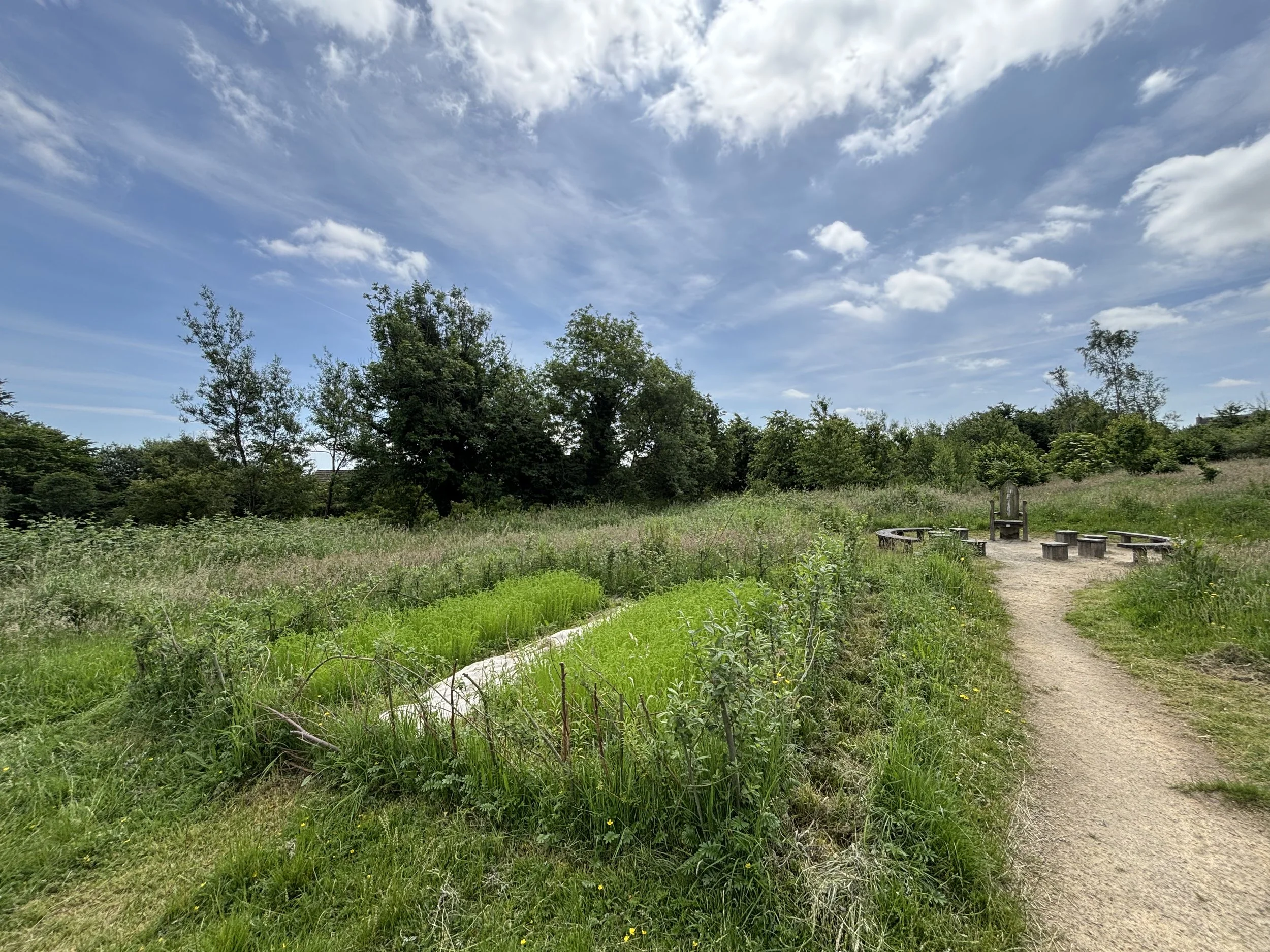
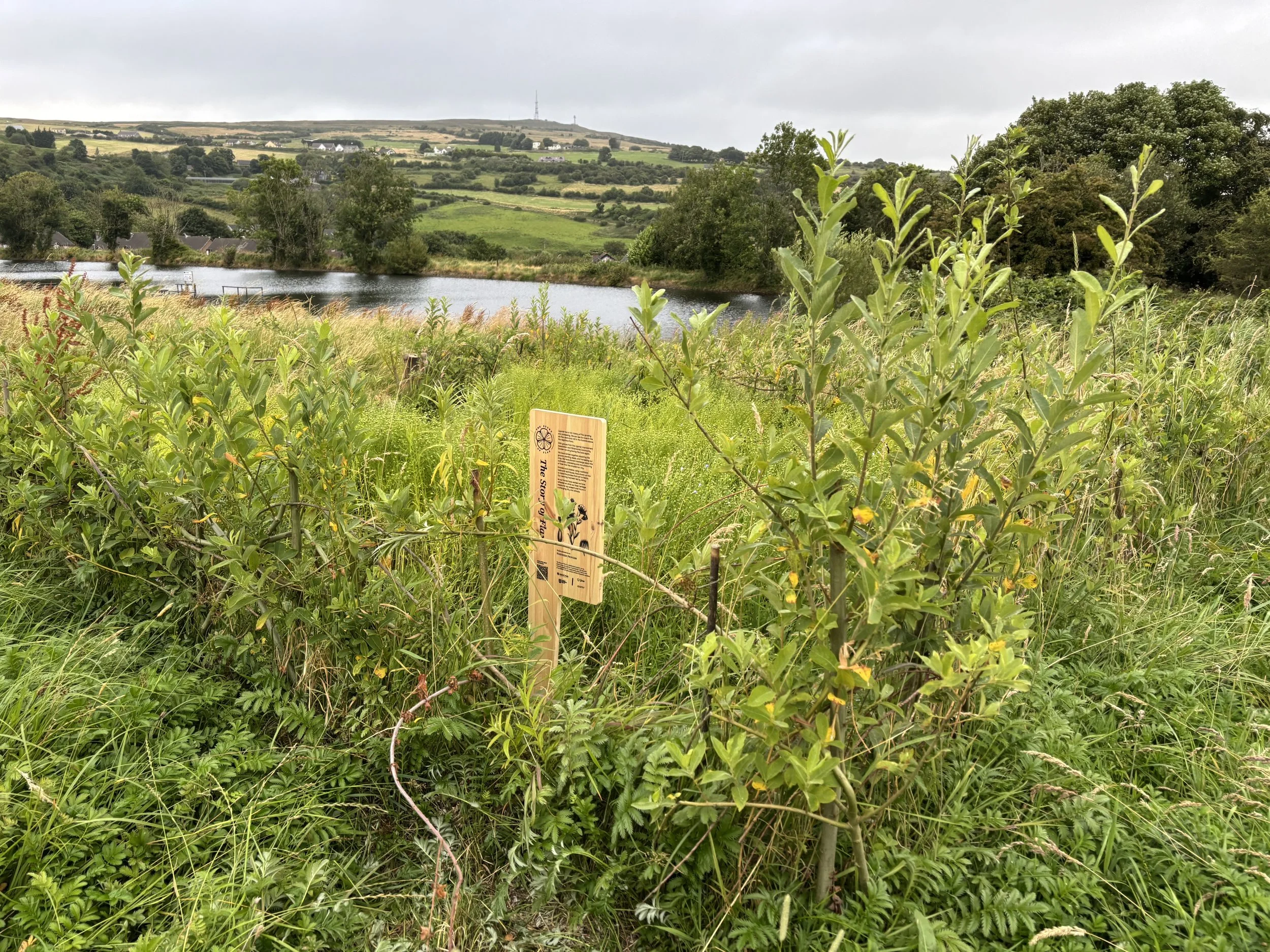
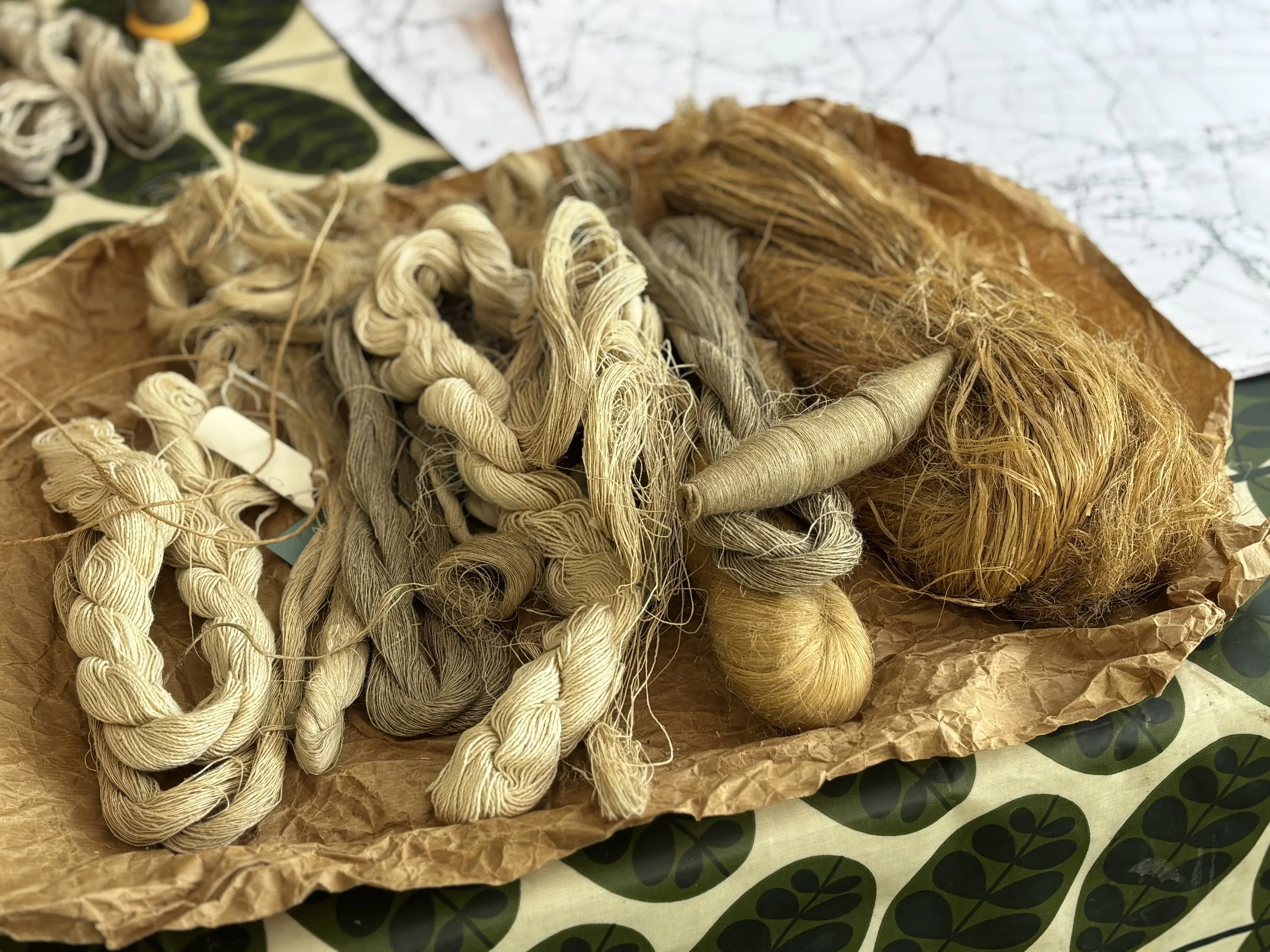
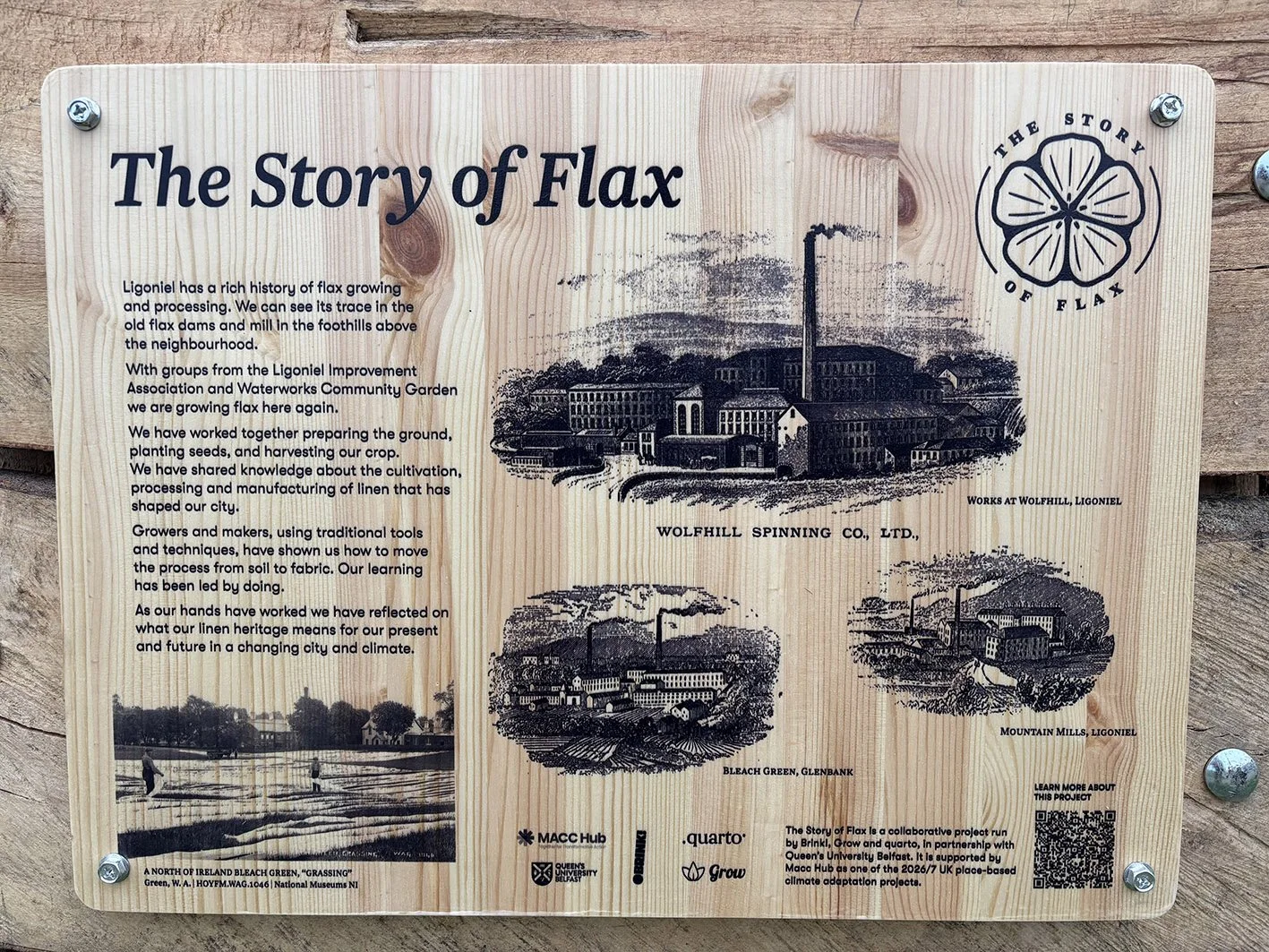
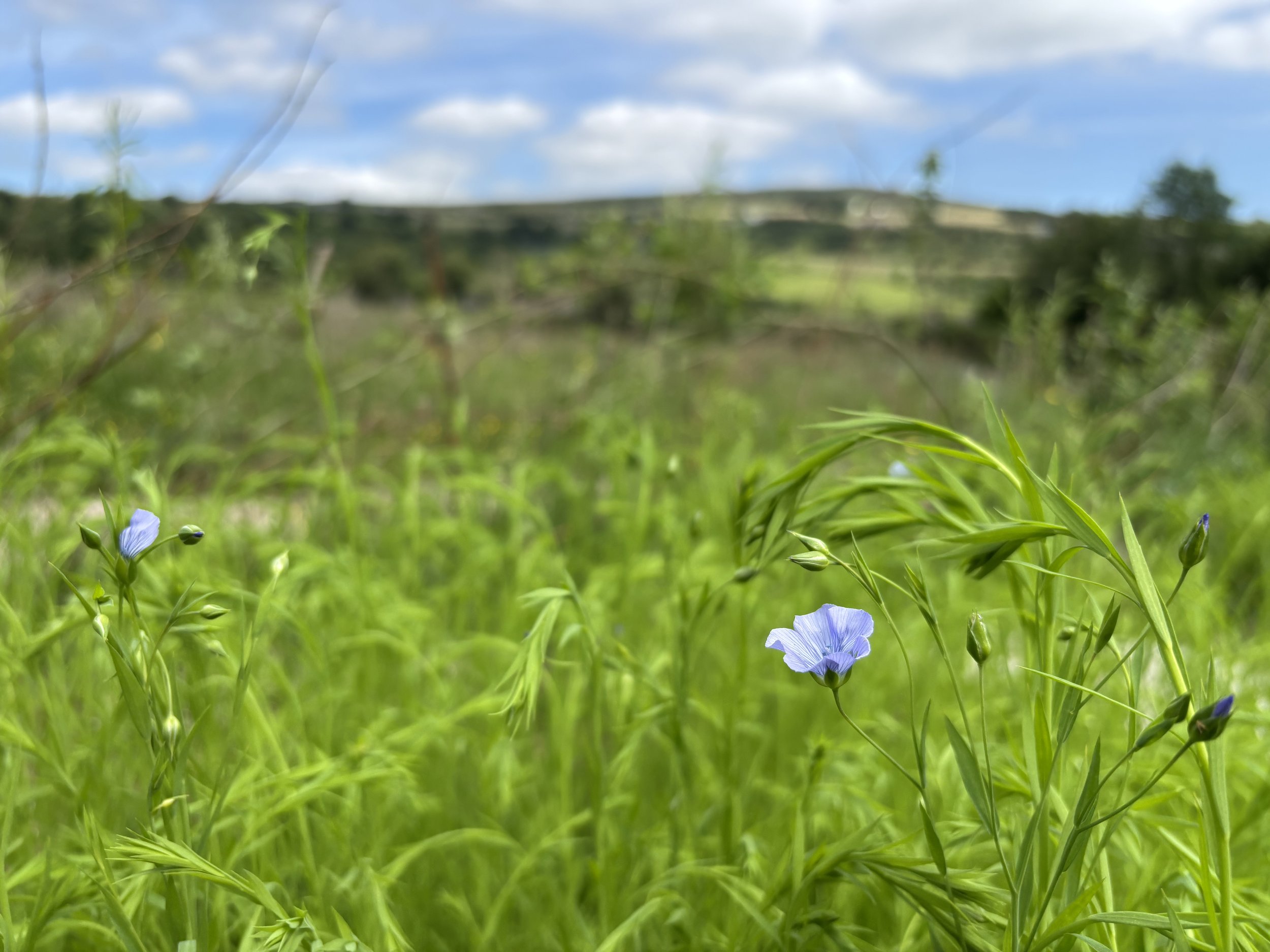
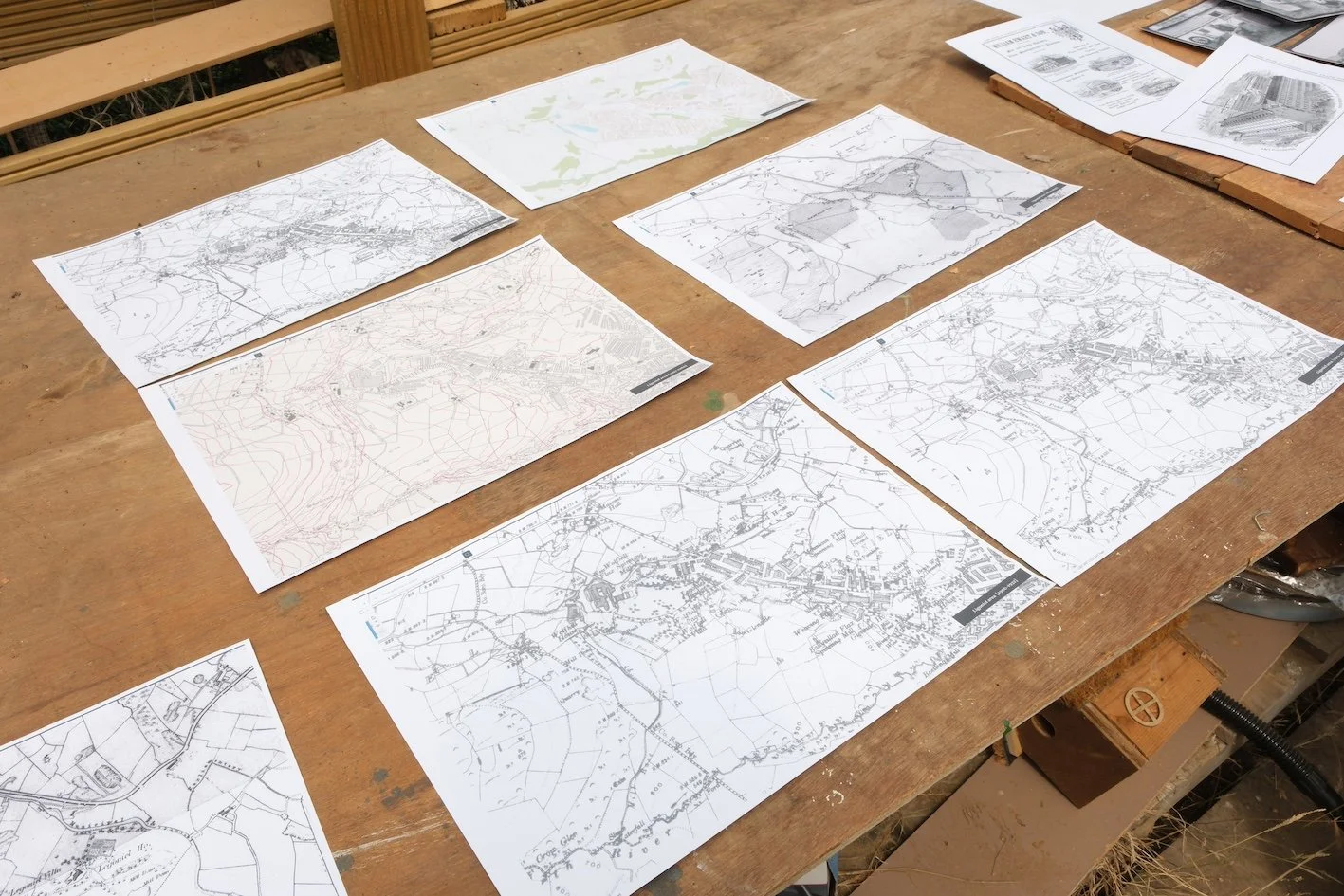
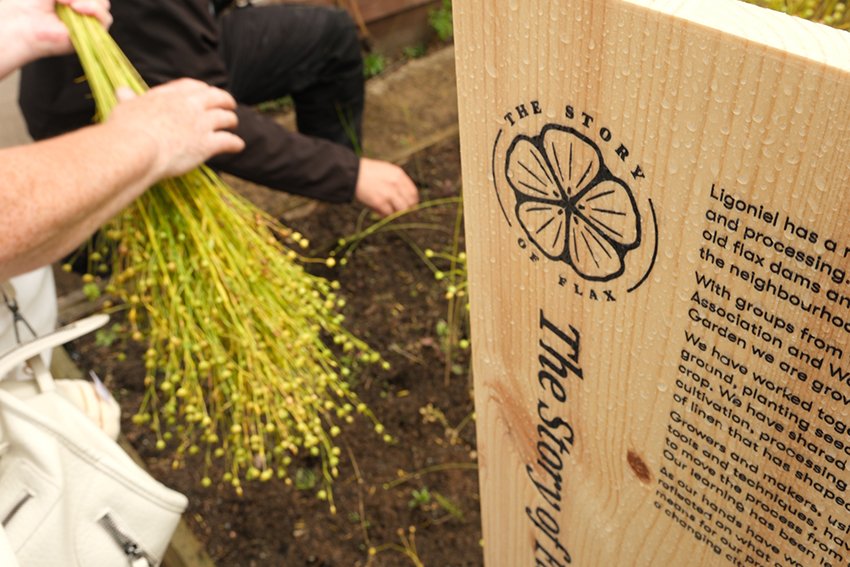
You'll see old maps and photographs showing how central flax and linen production were in 19th-century Belfast, with a specific focus on this Ligoniel area. You'll find out about the local linen industry on a guided walking tour, and learn about the wildlife and pollinators, part of our natural heritage.
Activities will include:
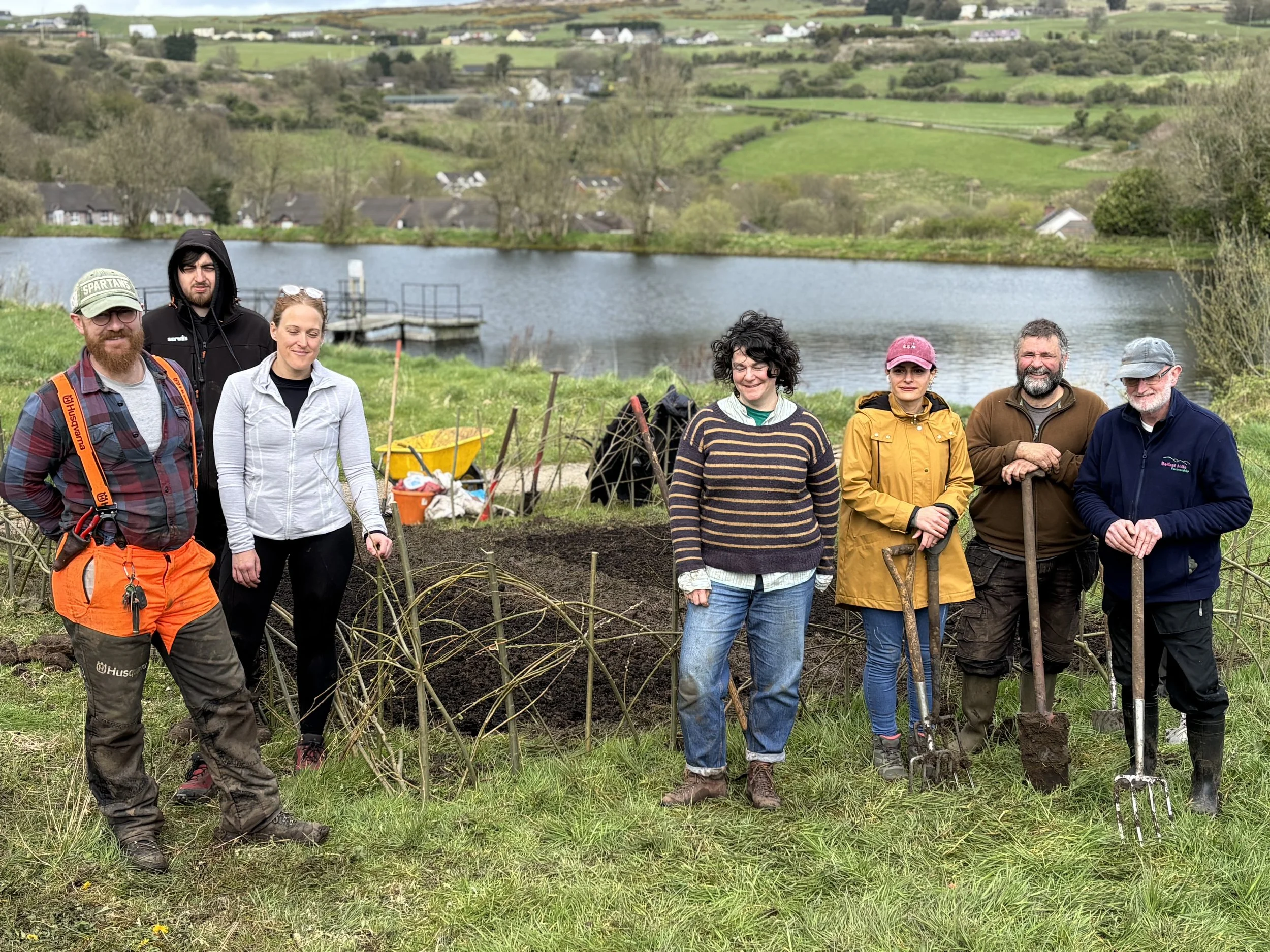
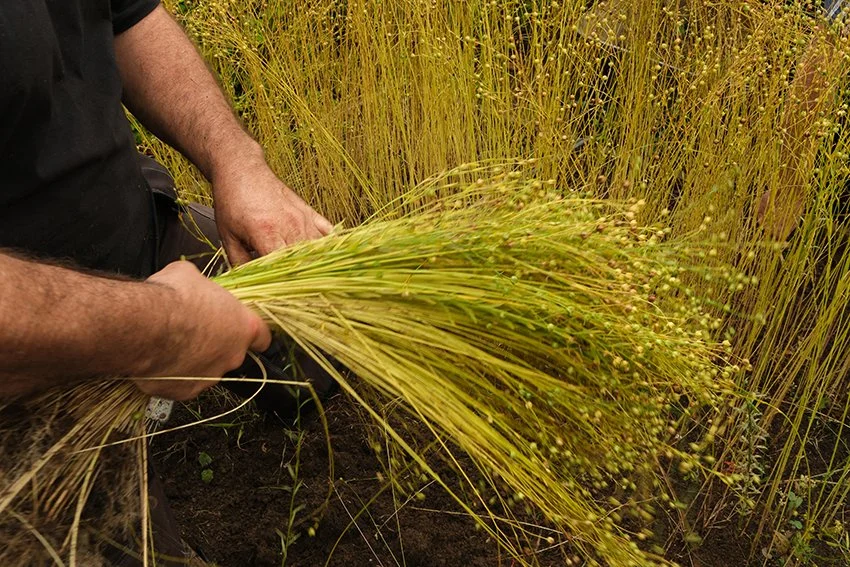
Group harvesting of the flax that the local community grew at the dam
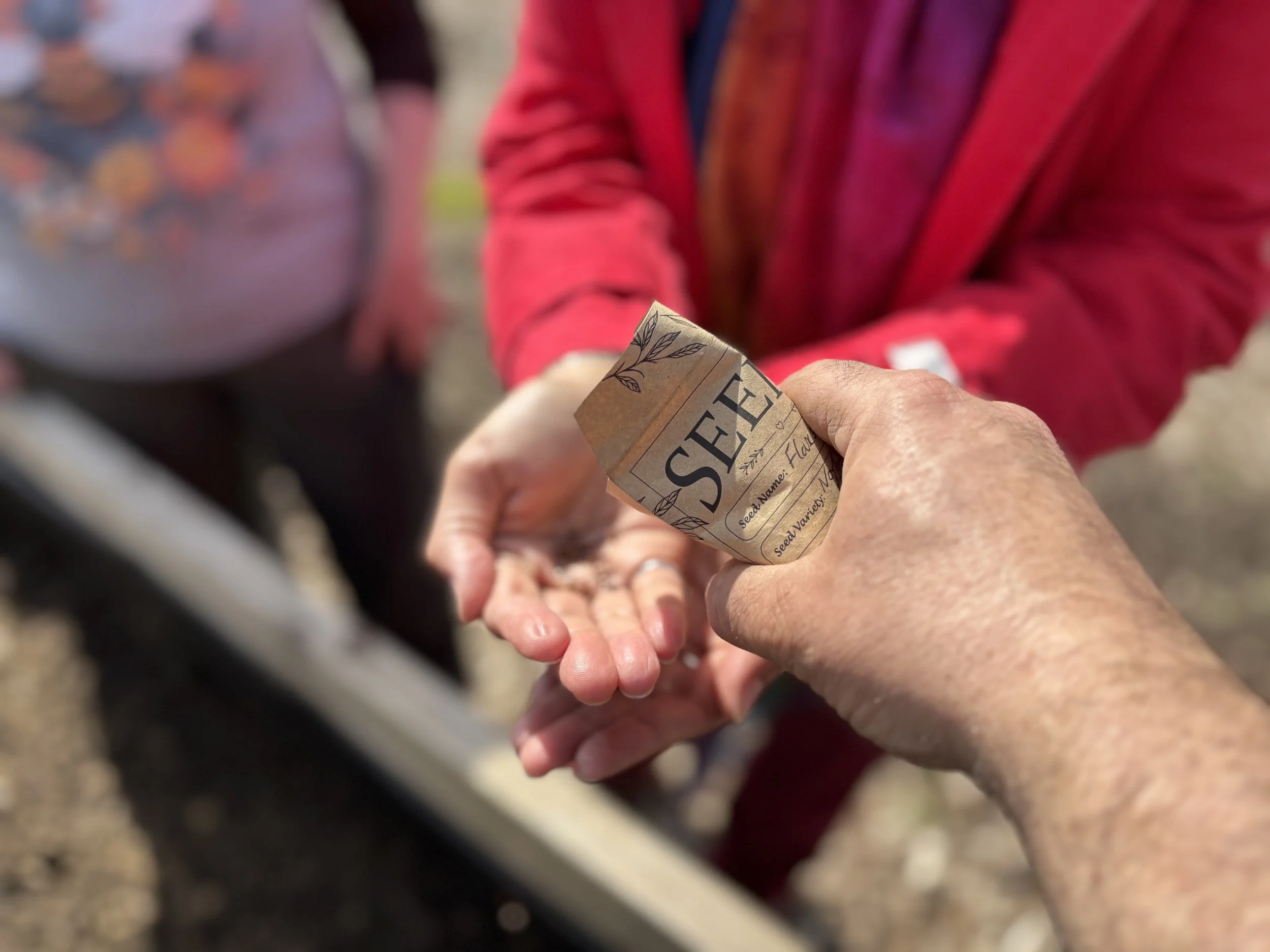
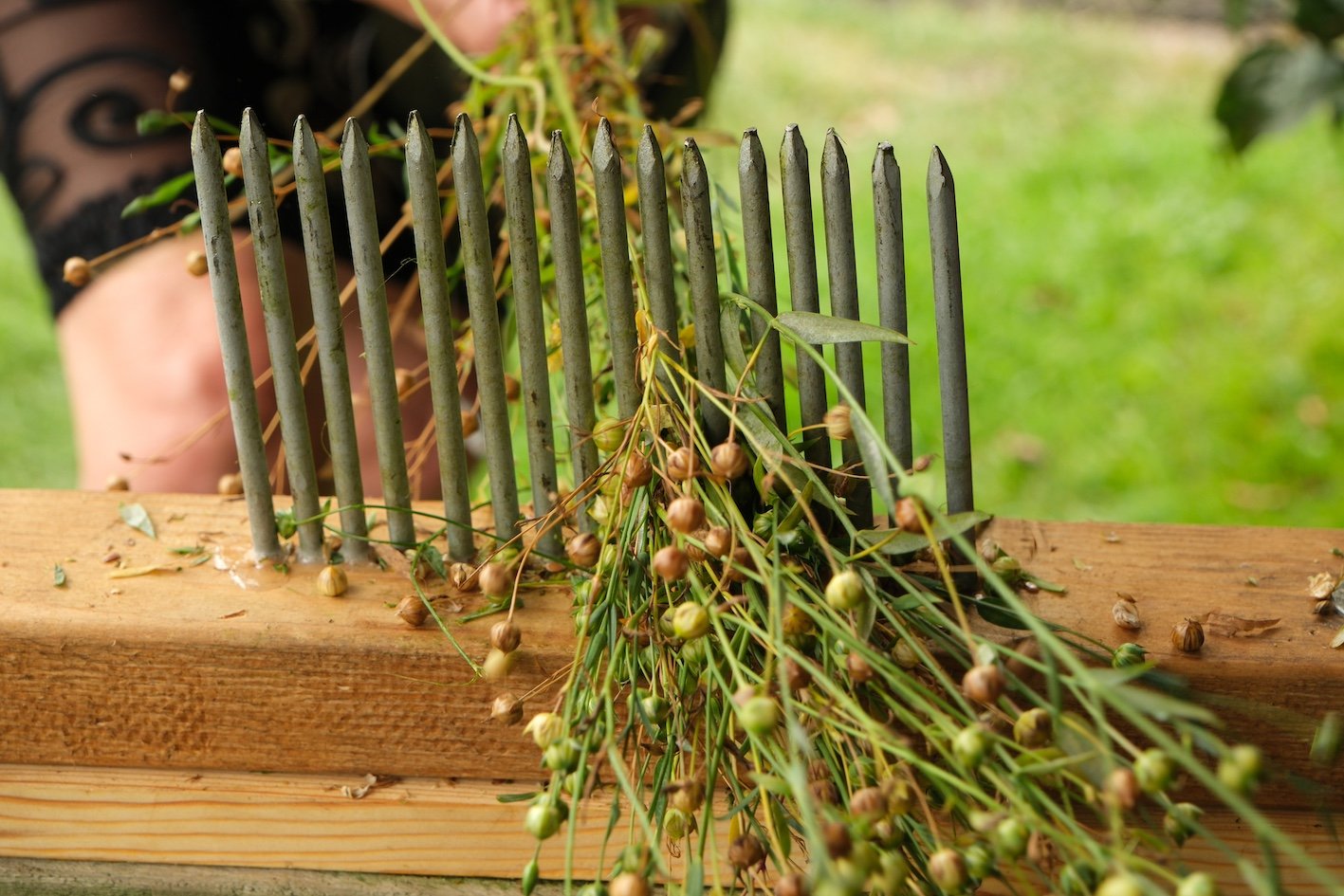
Rippling seeds from the harvested flax
Working with the retted & dried flax from Ligoniel Garden & Waterworks Garden
Spinning & plying demonstration (have a go at making necklaces and bracelets)
Learning to use drop spindles
Learn to use a table loom & mini looms
A linen heritage walk around the dams with Aidan Crean
Learn about the wildlife and pollinators, with the Belfast Hills Partnership
There will be light refreshments and the event is a FREE all ages event.
All are welcome, but accessibility to the site is limited.
Travel
To get to Thornberry Road (in the Ligoniel area) from Belfast city centre, take the Translink Metro Service 11C or Service 12B. Board the bus from the city centre (such as Donegall Square North), and alight on Mill Avenue or near Ligoniel, which leaves you with a short walk up to Thornberry Road.
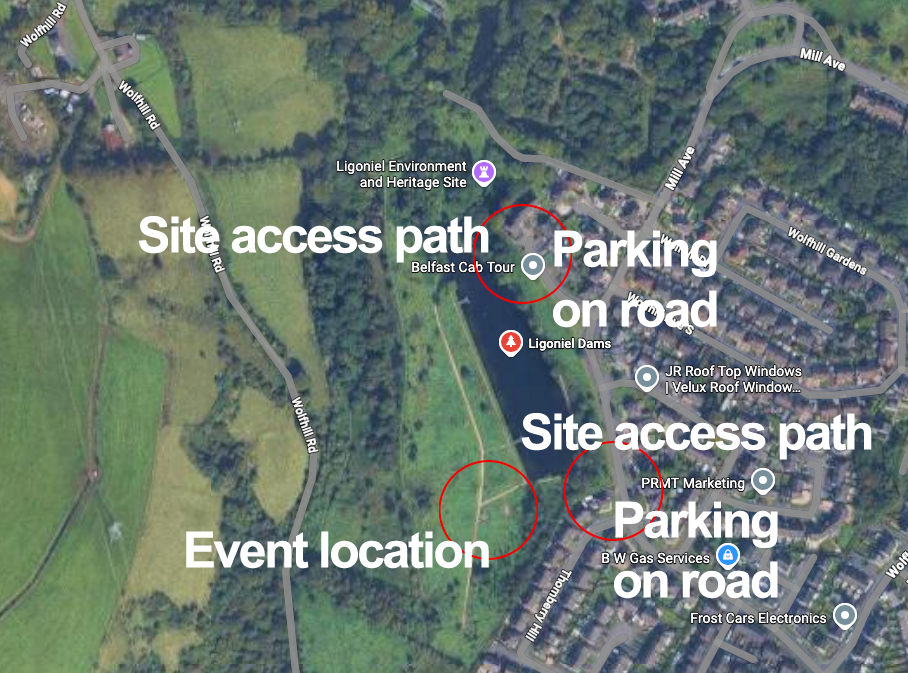
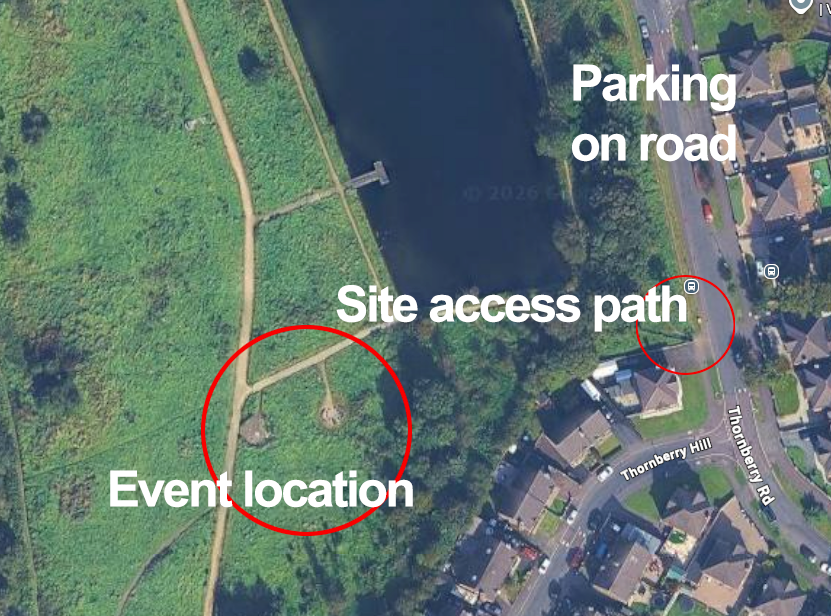
Parking is limited as it is a residential area, so please be considerate to the people who live there.
You can access the event location via paths from Thornberry Road (https://maps.app.goo.gl/j3yW7xi4siWKTcqt7) or Thornberry Mews (https://maps.app.goo.gl/xrTjgMu8RdxLNbkR7)
The Story of Flax
This event is part of The Story of Flax, a collaborative project run by Brink!, Grow and quarto, in partnership with Queen’s University Belfast, supported by MACC Hub.
It uses the cultivation of flax – a plant central to Northern Ireland’s history – to open up conversations about past, present and future.
The team is working across north Belfast at Waterworks Community Gardens and with the Ligoniel Improvement Association at their gardens and the dams, growing, processing, and exploring this once-ubiquitous crop while asking what it might mean to bring it back in a time of climate crisis.
The Festival of Flax event partners are Grow and quarto, Queen’s University Belfast, Ligoniel Improvement Association, Waterworks Community Garden, and Belfast Hills Partnership.
The Festival Team
NIAMH NI CATHAIN
Niamh will be offering people the opportunity to try out a table loom & mini looms, using fibres grown through this project.
Niamh is a weaver, textile designer, and researcher based in Holywood, Co. Down, working at the intersection of weaving, local fibre systems, and regenerative design. Her practice is rooted in embodied making and explores how textiles can act as cultural, social, and ecological connectors, linking people, place, and land through material processes.
Niamh is currently working on her PhD on a project called Co-Create, an all-island art and design research network for inclusive futures established by Ulster University and NCAD Dublin. This program of research is to support environmental action, regenerative textiles, field-to-field circularity, and community-led bioeconomies.
www.niamhnicathain.com : https://www.instagram.com/niamhnicathain
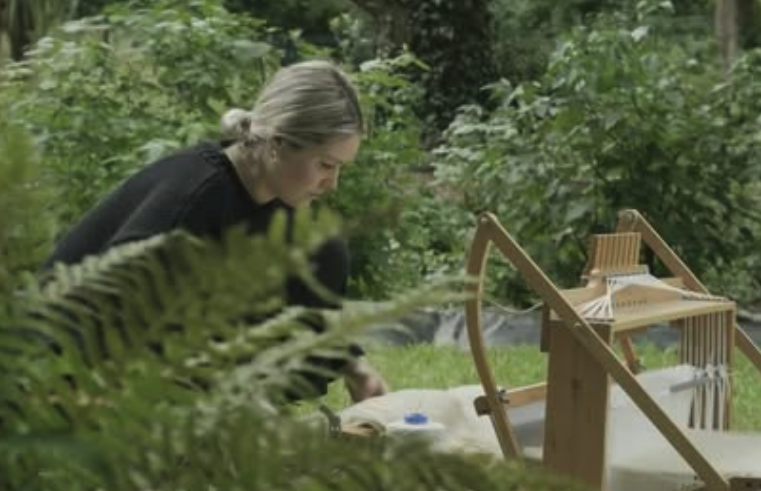
Niamh working on her loom
MERLE/FRIENDS OF THE FIELD
Have a go at using drop spindles and try out the spinning and plying process of working with flax fibres. Even as a beginner you might spin and ply enough for a bracelet or necklace.
Friends of the Field is a volunteer-run community garden at Lower Botanic Gardens, founded by residents in partnership with Queen’s University Belfast and the UPSURGE Project. Merle is one of the volunteers, and as part of a heritage project that Brink!, Grow & quarto hosted in early 2026, we met Merle, and learnt about her work growing flax, and how she learnt how to make her own clothing using this flax. Learn how you could do this as well.
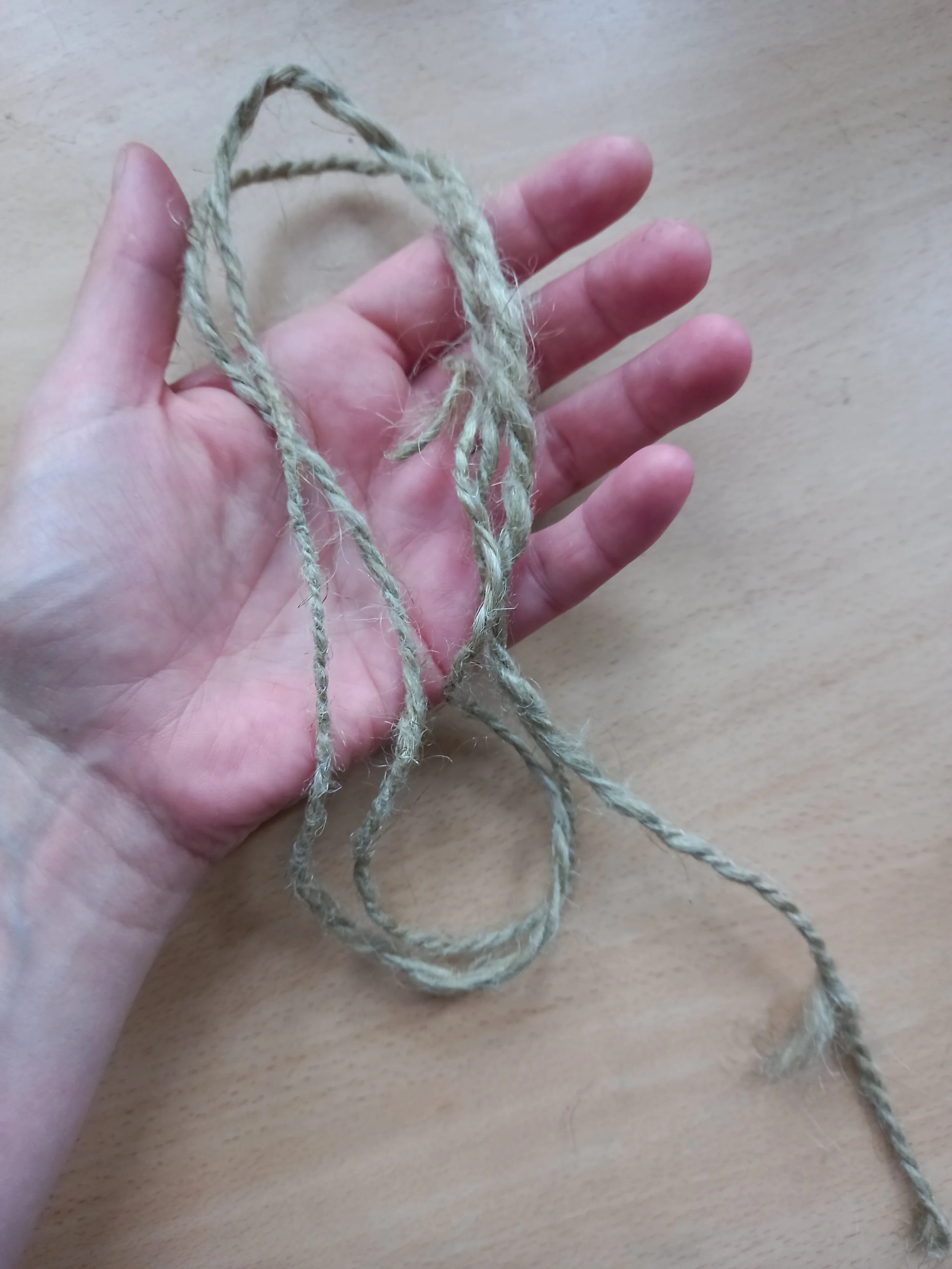
Hand spun cord for a bracelet
CRAIG SANDS
Join Craig to harvest the flax grown at the dams, and to de-seed (ripple) the flax, and prepare the flax through other processes. Craig Sands has over 20 years’ experience in organic horticulture, particularly food growing. He works with Grow NI as a community gardener at the Waterworks Community Garden in North Belfast and across Belfast.
Grow NI supports the development of healthy, inclusive communities through community gardens, supporting the delivery of initiatives to address food poverty, promote wellbeing, build community cohesion and develop natural spaces. Grow supports community leadership and ownership, working alongside people to create the space within which individuals and communities can flourish.
https://growni.enthuse.com/profile : https://www.facebook.com/growcommunitygardens : https://www.instagram.com/grow.ni/
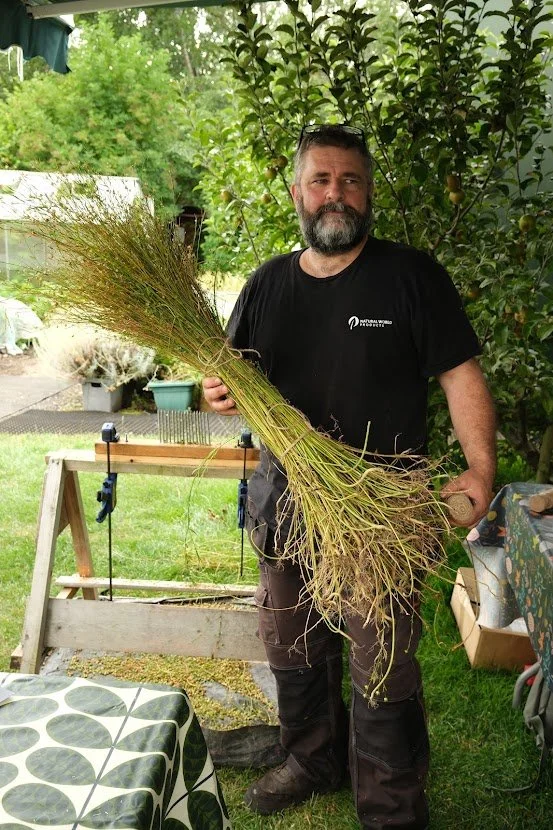
Craig after harvesting, rippling and binding the flax into a stook
AIDAN CREAN
Join local wildlife expert Aidan Crean for a walk and talk about the Belfast Hills and the natural and industrial heritage of the area. (His walk will be approximately 90 minutes, and will run between midday and 2pm).
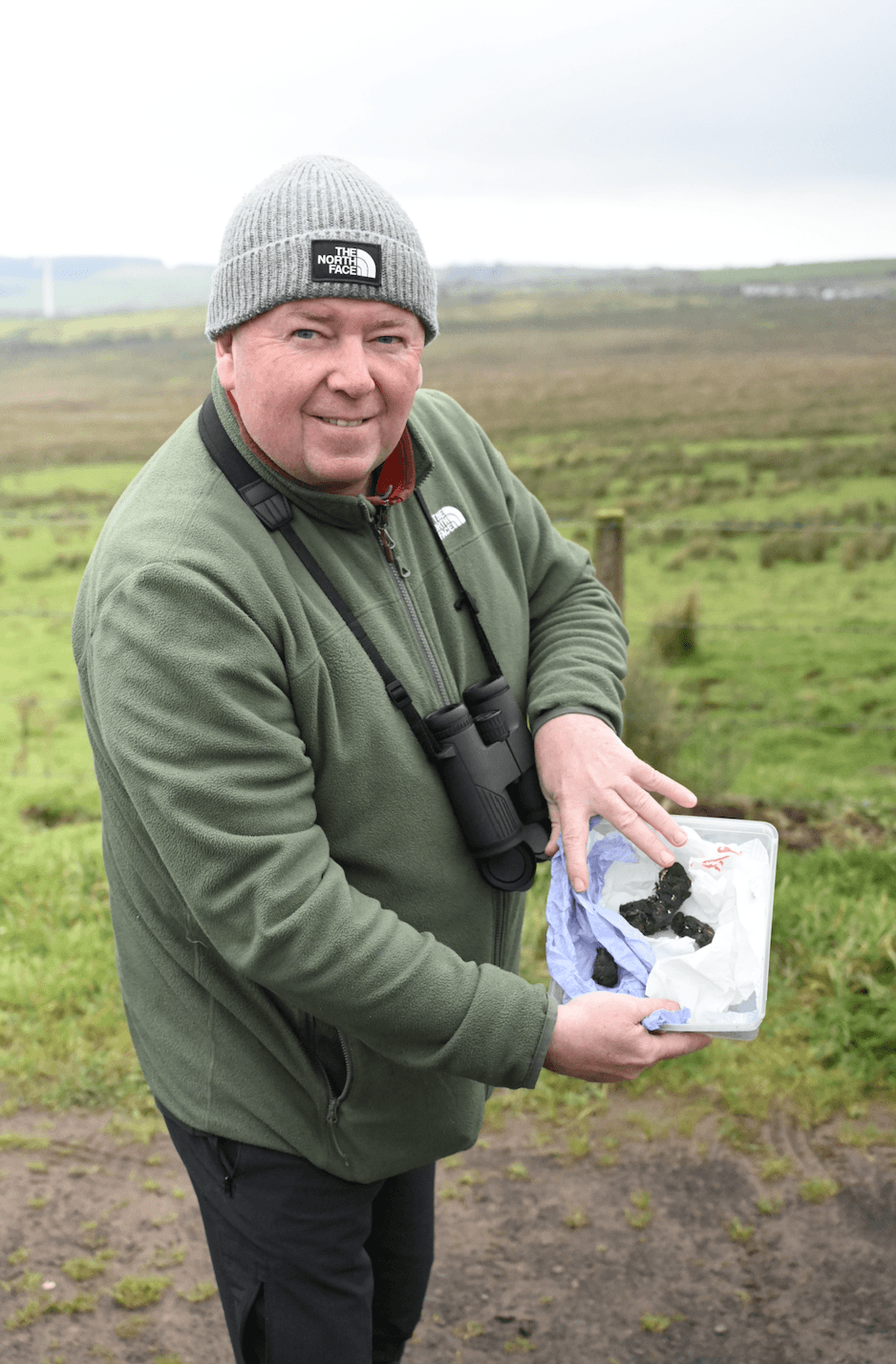
Aidan out bird watching
BRYONIE REID
Bryonie Reid is a writer, artist, and cultural geographer whose work explores the deep connections between place, memory, and belonging. She is interested in the complexity and nuance that always underlie simplified public narratives of what place means to people. Join Bryonie to interact with maps and photo from the Ligoniel area, to share memories and stories.
https://www.bryoniereid.com/ : https://www.quartocollective.com/
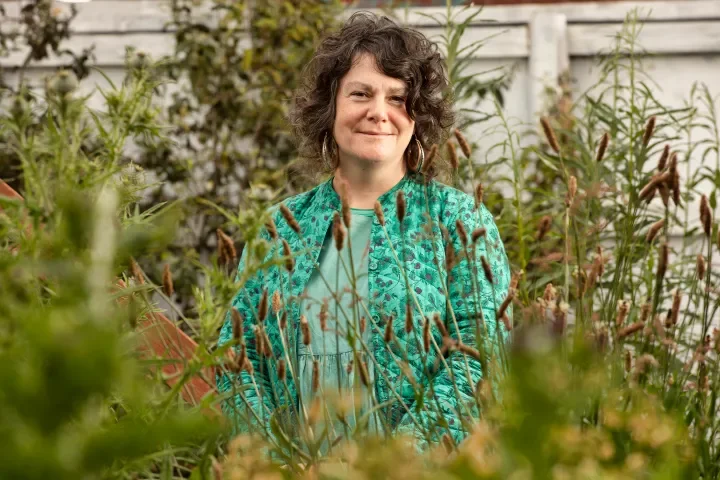
Bryonie Reid (quarto)
BELFAST HILLS PARTNERSHIP
What wildlife is attracted to flax? Join Belfast Hills Partnership to explore the pollinators and other insects found around the flax and surrounding habitat at Ligoniel Dams. Have a go at spotting and identifying different species, discover why pollinators are so important and explore how flax can contribute to biodiversity.
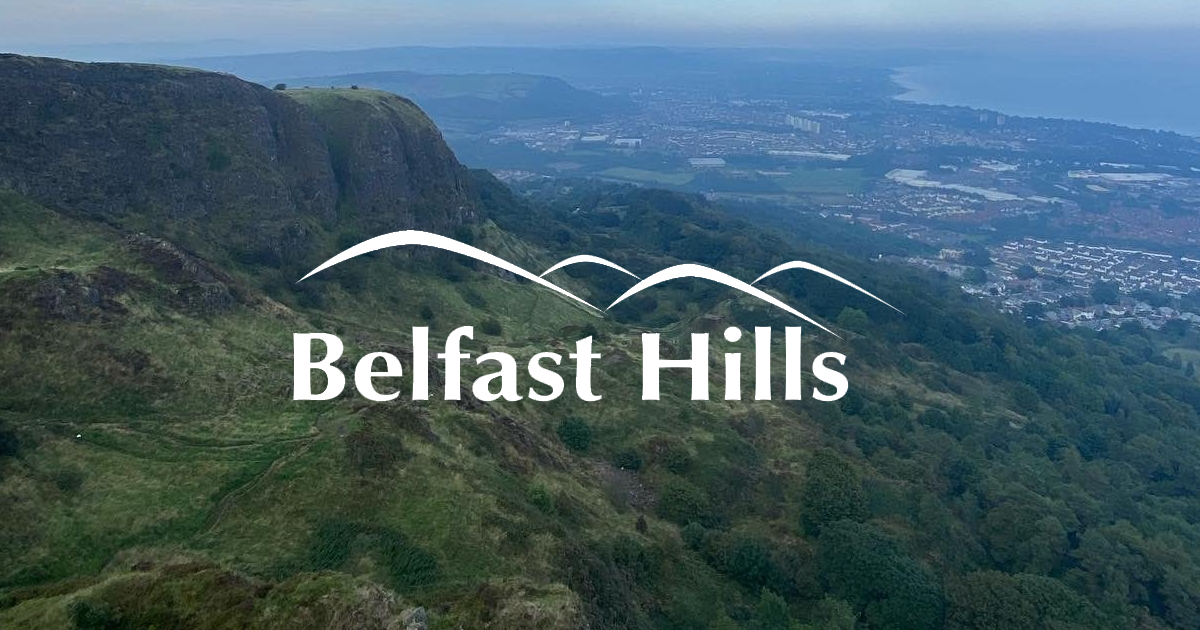
The Belfast Hills Partnership (BHP) is an independent charity which seeks to improve how the hills are managed. BHP works to protect, enhance and celebrate the natural, cultural and built heritage of the Belfast Hills, connecting people with the landscape and wildlife.
Brink! is a Belfast-based creative platform that brings together art, community participation, and environmental action to explore new ways of living in response to the climate crisis. It operates as a space for discussion, education, and practical activity, using creative practice and citizen-led initiatives to help people imagine and test more connected, healthy, and sustainable futures.
Founded in 2023 by artist and creative producer Gawain Morrison and designer Paul Kelly, Brink! aims to build collaborative networks across sectors—including communities, cultural organisations, local government, and business—to exchange ideas and take collective action on environmental challenges.
The organisation is known for activating underused urban spaces as sites for experimentation, growing, making, and cultural exchange, demonstrating how creativity can reanimate the city and foster civic connection. Its programmes combine workshops, cultural events, and hands-on learning to encourage people to become active participants in shaping responses to climate change rather than passive observers.
Brink!’s work often links heritage skills with contemporary innovation—such as projects exploring the journey of flax from seed to textile—to reconnect communities with local materials, shared histories, and sustainable production.
Overall, Brink! positions creativity as a catalyst for dialogue, experimentation, and collective problem-solving, bringing diverse partners together to explore practical, community-driven approaches to environmental and social change.